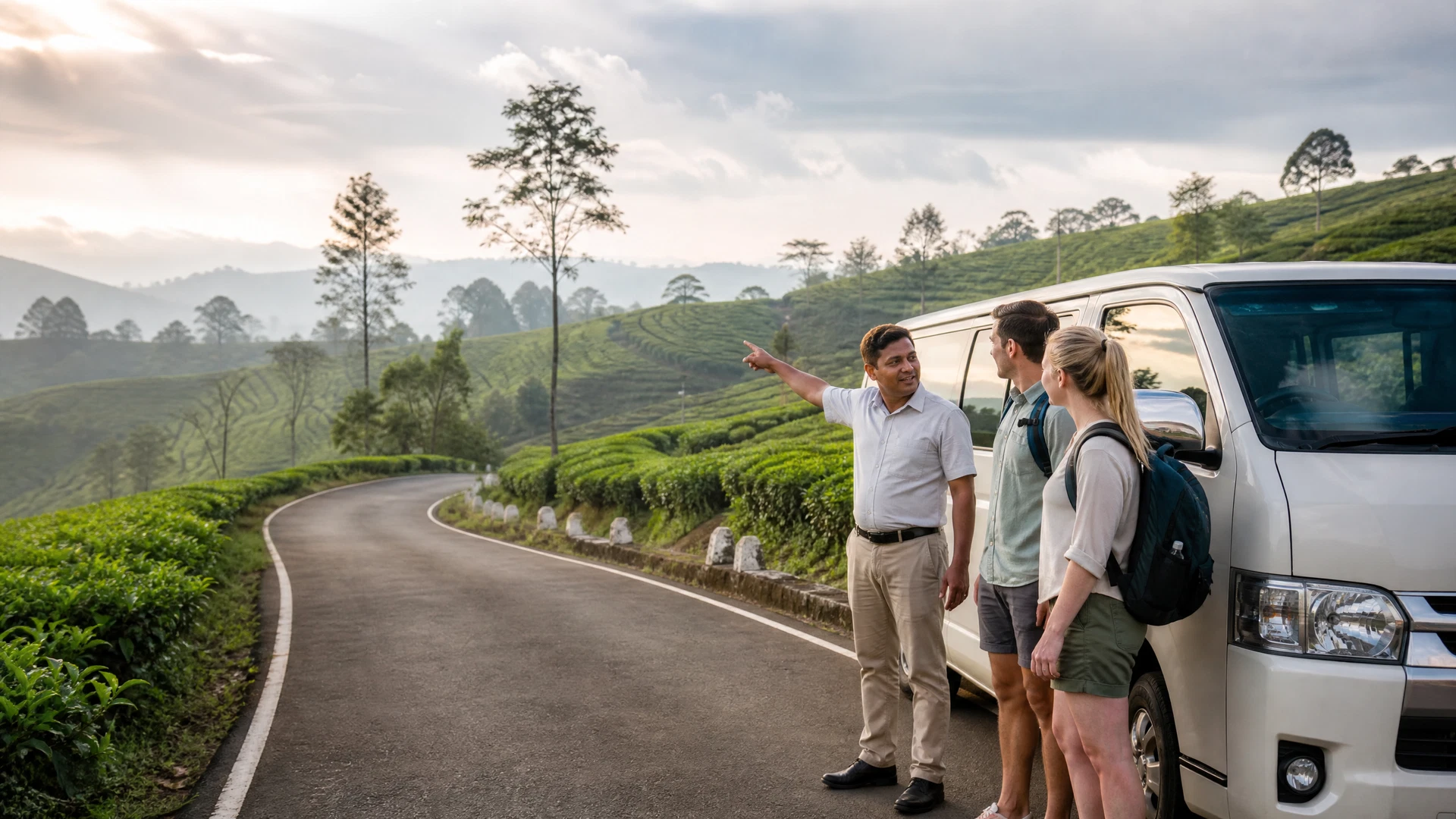
Sri Lanka is a richly rewarding destination for first-time visitors: compact enough to travel between beaches, tea country, wildlife parks and ancient cities, yet varied enough that each day feels different.
The best way to think about safety is not as a reason to avoid the country, but as part of good trip design. A few well-chosen decisions — reputable transport, sensible beach awareness, secure belongings and up-to-date local information — go a long way.
This practical guide focuses on the questions travellers most often ask before a first trip. It does not replace your government’s current travel advice, insurance policy, or medical guidance; check those before departure, especially if your itinerary includes remote areas or adventure activities.
Start with a Calm, Well-Planned Arrival
The first few hours after a flight shape the tone of the whole trip. A confirmed airport pickup, the address of your first hotel saved offline, and a working contact number make arrival far easier than arranging every detail while tired in an unfamiliar terminal.
If you are arriving late or continuing several hours inland, tell your transport provider your flight number, luggage count and final hotel in advance. Keep your passport, phone, payment cards and a small amount of local cash in a secure, accessible place rather than in checked luggage.
| Before You Fly | Why It Helps |
|---|---|
| Save your first hotel and driver contact offline | You can communicate your destination even if mobile data is delayed |
| Share flight details with your airport-transfer provider | It makes a delayed-arrival pickup easier to coordinate |
| Keep travel documents and cards in a secure pouch | It reduces the chance of loss in crowded arrival areas |
| Buy comprehensive travel insurance | It gives you a plan for medical care, delays and covered activities |
Road Travel: Choose Comfort and Good Judgement
Roads in Sri Lanka connect an extraordinary range of places, but driving conditions can feel very different from those in the UK or mainland Europe. Traffic can be busy, lane discipline varies, and pedestrians, buses, tuk-tuks and animals all share the road.
For most visitors, a private driver is a practical way to reduce stress on intercity days. You can focus on the scenery, take comfort stops when needed, and avoid navigating unfamiliar roads after dark. Choose an established provider, confirm the vehicle type, and always use seat belts where available.
If you use local taxis or tuk-tuks for short trips, agree the fare beforehand if there is no working meter. Do not feel obliged to continue a journey if the driver’s behaviour or driving makes you uncomfortable; stop at a busy, well-lit place and arrange another ride.
Personal Security: Small Habits Make a Difference
Most safety decisions are ordinary travel habits. Keep bags on the side away from traffic, avoid displaying large amounts of cash, and use the hotel safe or another secure place for spare cards and documents. In busy markets, stations and tourist sites, keep your phone and wallet close rather than in an open bag or back pocket.
Plan your evenings with the same awareness you would use in any unfamiliar city. Use reputable transport after dark, avoid isolated beaches and lanes, and do not leave drinks unattended. Solo travellers and small groups may find it reassuring to tell their hotel or driver where they are going and when they expect to return.
Beach, Wildlife and Outdoor Safety
Sri Lanka’s coast is one of its great pleasures, but swimming conditions can change quickly. Waves, currents and rip tides vary by coast and season, and not every beach has lifeguards. Ask locally before swimming, respect flags and warnings, and choose a pool or another activity when conditions are uncertain.
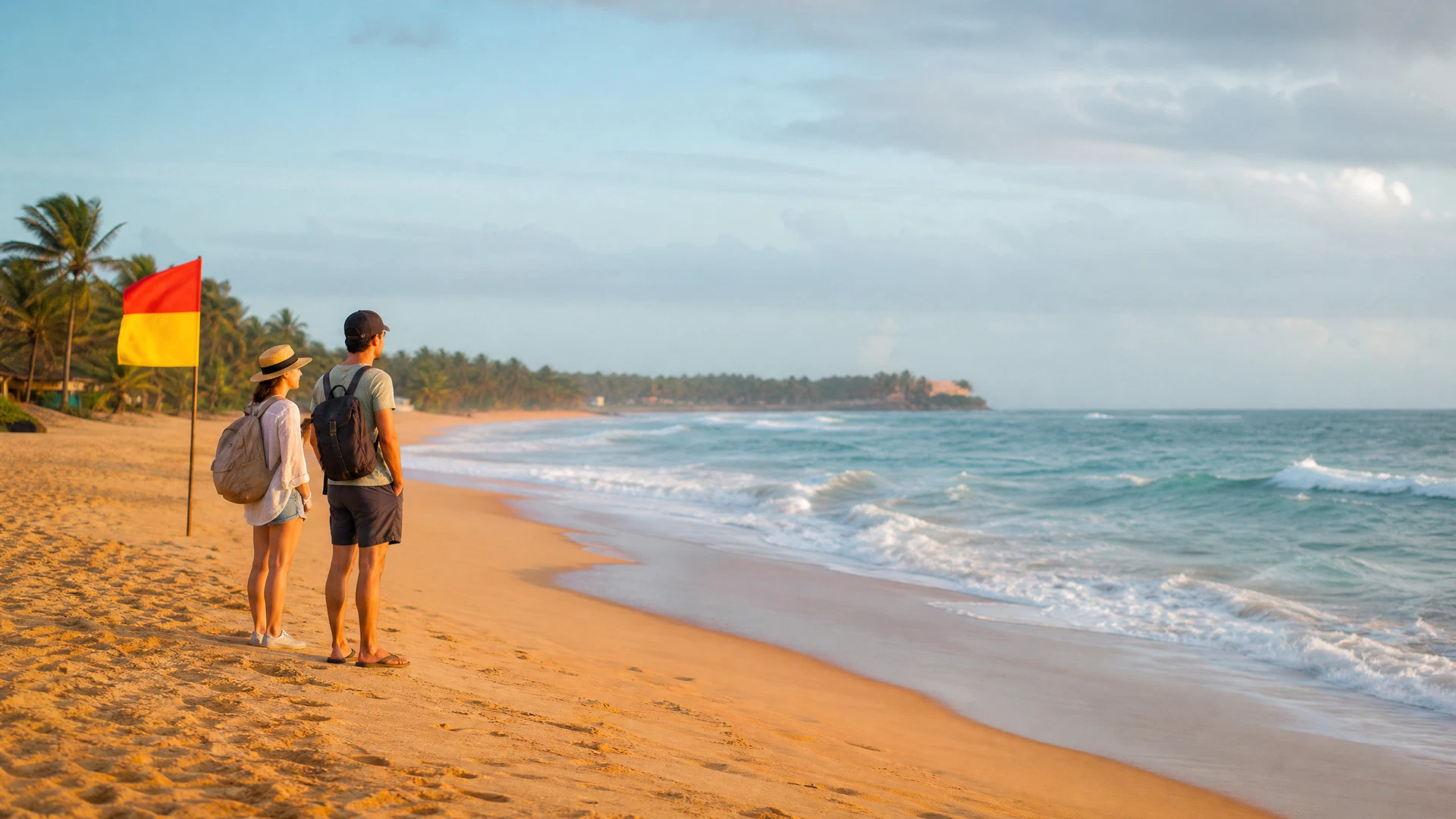
On safari, stay inside the vehicle unless a qualified guide tells you otherwise. Keep a respectful distance from wildlife, particularly elephants, monkeys and crocodile habitats. Around rivers and lagoons, ask local experts before entering the water.
Health, Weather and Everyday Comfort
Pack sun protection, insect repellent, rehydration supplies, and any regular medicines you need for the whole trip. Use sealed drinking water when you are unsure, wash hands regularly, and seek medical advice promptly if you develop a fever or feel seriously unwell.
Monsoon weather can bring heavy rain, local flooding and occasional road disruption. Build breathing room into the itinerary, particularly for the hill country and longer road days. A flexible driver charter makes it easier to change the order of stops when conditions require it.
Respect Local Culture and Photography Rules
Sri Lanka is welcoming, but its religious and cultural sites deserve thoughtful behaviour. At Buddhist temples, cover shoulders and knees, remove shoes and hats where requested, and follow photography guidance. Never pose disrespectfully with religious statues or images.
Do not photograph military facilities, security checkpoints or restricted government areas. When in doubt, ask first. This same approach applies to people: a friendly conversation is welcome, but ask permission before taking close portraits.
Stay Flexible Around Events and Disruption
Demonstrations, religious events, severe weather and road works can affect travel plans with limited notice. Avoid protests and large political gatherings, follow the advice of local authorities, and use reliable local information if a road closure or security check affects your route.
A reputable hotel, tour operator or private driver can help you make a practical alternative plan without turning a disruption into a ruined day. Keep a little extra time around airport transfers and major intercity moves instead of booking each day to the minute.