Sri Lanka is compact enough to make a heritage-focused journey feel achievable, yet varied enough that each UNESCO World Heritage site gives you a different view of the island.
Ancient capitals, cave temples, a hill-country sacred city, a fortified coastal town and two remarkable natural landscapes all appear on UNESCO's official list. The key is not to try to see everything at once, but to combine nearby sites into a route that leaves time to experience them.
This guide introduces all eight of Sri Lanka's World Heritage properties and shows how a private-driver itinerary can connect the Cultural Triangle, Kandy, the central highlands and the south without unnecessary backtracking.
Sri Lanka Has 8 UNESCO World Heritage Sites
UNESCO lists eight World Heritage properties in Sri Lanka: six cultural properties and two natural properties. The cultural sites trace the island's ancient kingdoms, Buddhist traditions and colonial-era coastal history. The natural properties protect mountain forests and rainforest ecosystems with exceptional biodiversity.
Use the official UNESCO World Heritage Centre listing for Sri Lanka to check current property information before finalising your itinerary.
| UNESCO Property | Type | Inscribed | Best Route Cluster |
|---|---|---|---|
| Sacred City of Anuradhapura | Cultural | 1982 | Cultural Triangle |
| Ancient City of Polonnaruwa | Cultural | 1982 | Cultural Triangle |
| Ancient City of Sigiriya | Cultural | 1982 | Cultural Triangle |
| Old Town of Galle and its Fortifications | Cultural | 1988 | South Coast |
| Sacred City of Kandy | Cultural | 1988 | Kandy and Hill Country |
| Rangiri Dambulla Cave Temple | Cultural | 1991 | Cultural Triangle |
| Sinharaja Forest Reserve | Natural | 1988 | South-West Nature Route |
| Central Highlands of Sri Lanka | Natural | 2010 | Hill Country |
The Cultural Triangle: Four Sites That Work Well Together
The north-central part of Sri Lanka is the most efficient place to begin a World Heritage itinerary. Anuradhapura, Polonnaruwa, Sigiriya and Dambulla are often described as the Cultural Triangle, although each deserves its own pace and atmosphere.
Ancient City of Sigiriya
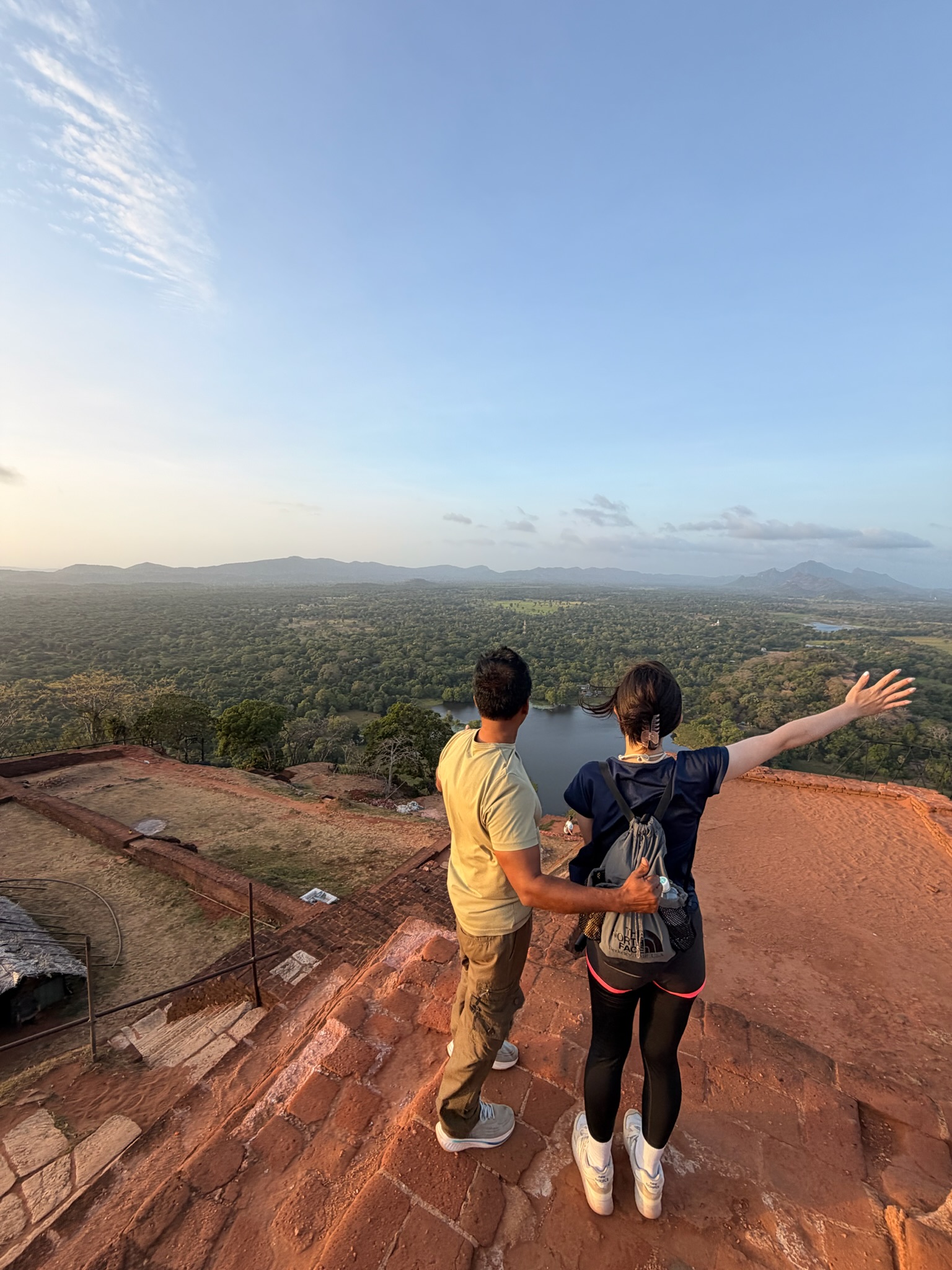
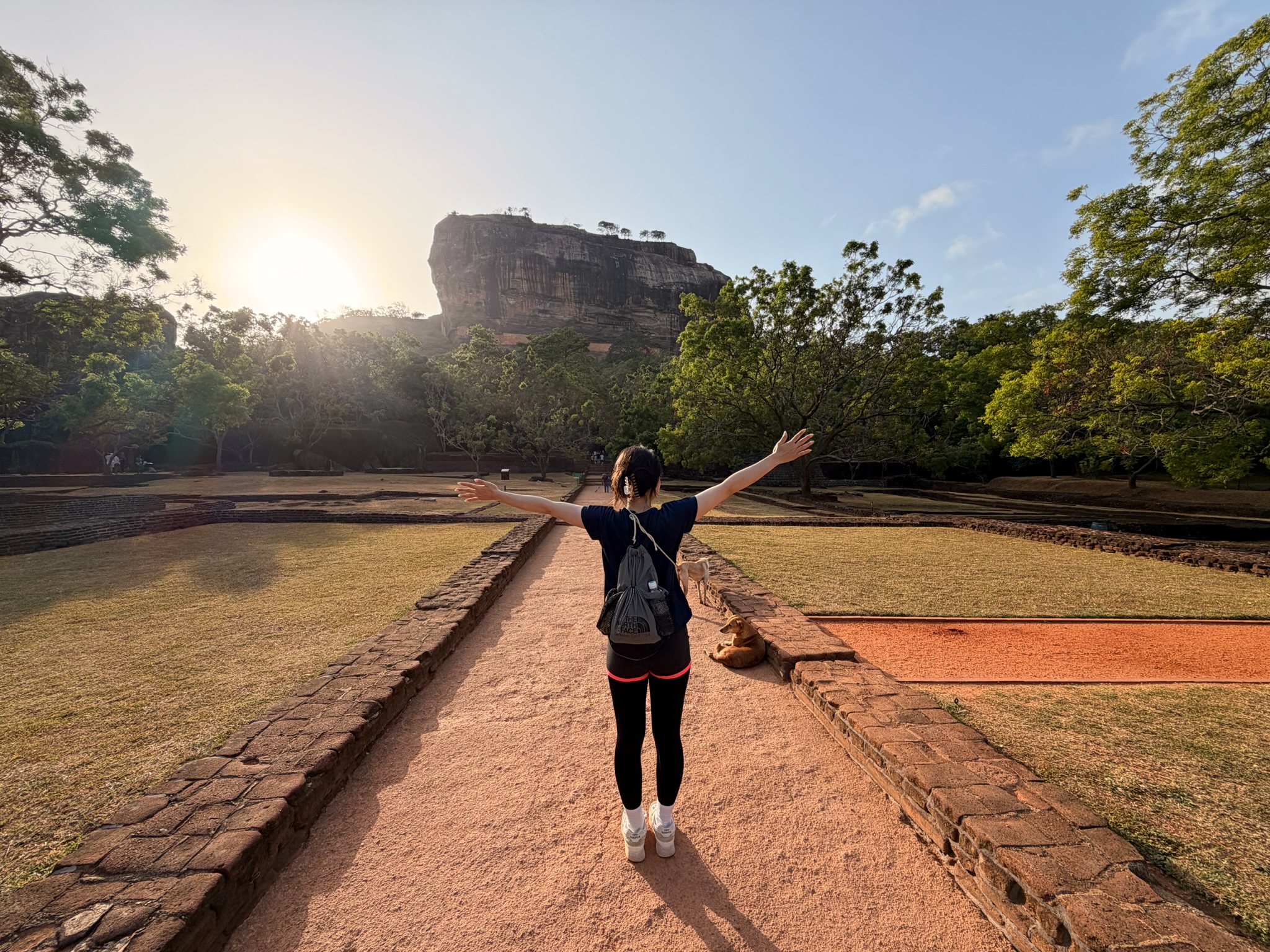
Sigiriya is the visual centrepiece for many first-time visitors. UNESCO describes the ancient city as the remains of a capital associated with King Kassapa I, set on and around a granite peak known as Lion Rock. The site is best approached early, with enough water, sun protection and time for the climb if it suits your fitness level.
Sacred City of Anuradhapura
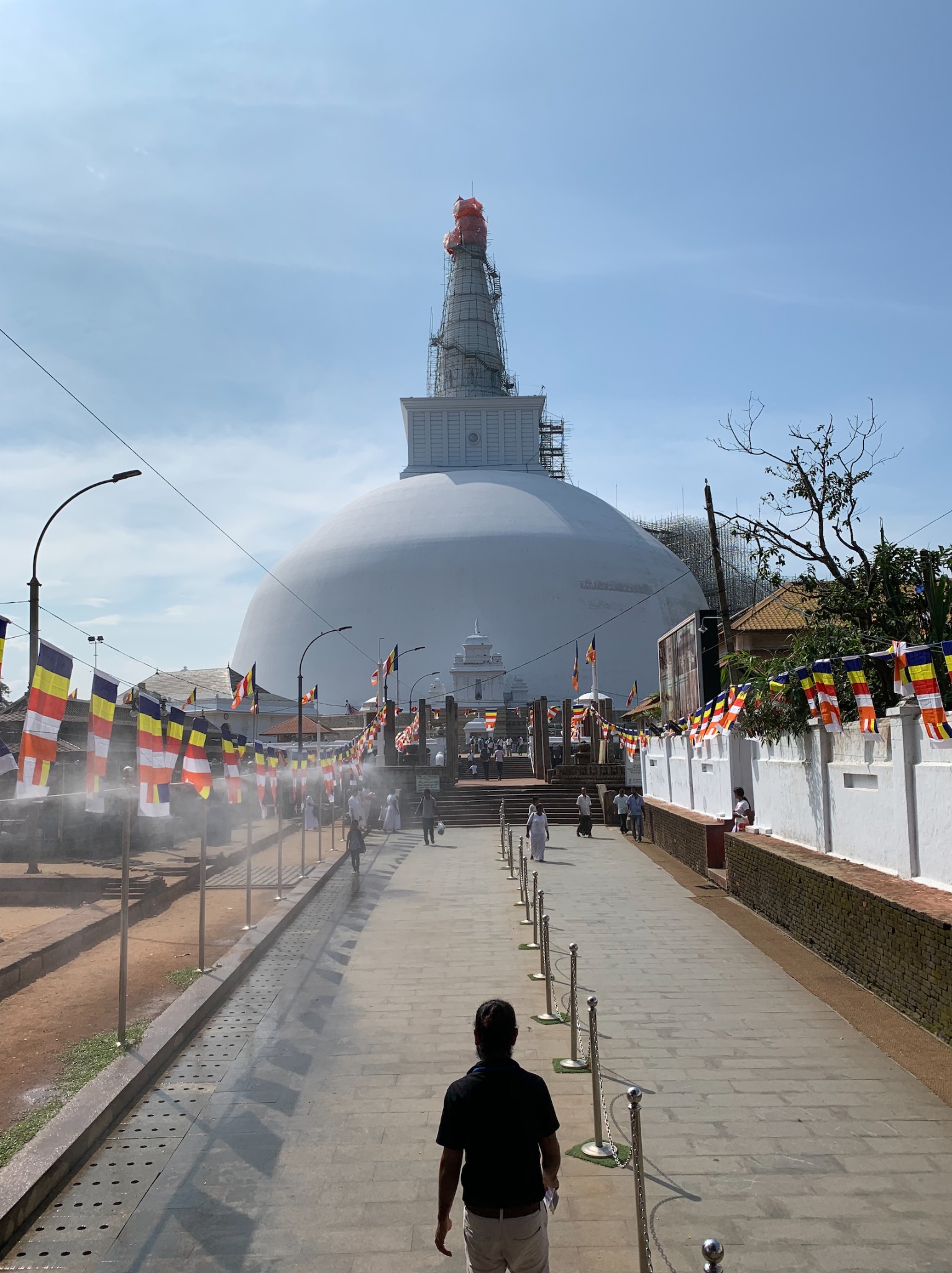
Anuradhapura is a vast sacred city of stupas, monasteries and historic sites. A private driver is especially useful here because the major places of worship and archaeological stops are spread across a large area.
Ancient City of Polonnaruwa
Polonnaruwa is known for its more compact concentration of monumental ruins. Its archaeological zones are still best planned with time for several distinct stops rather than as a quick roadside visit.
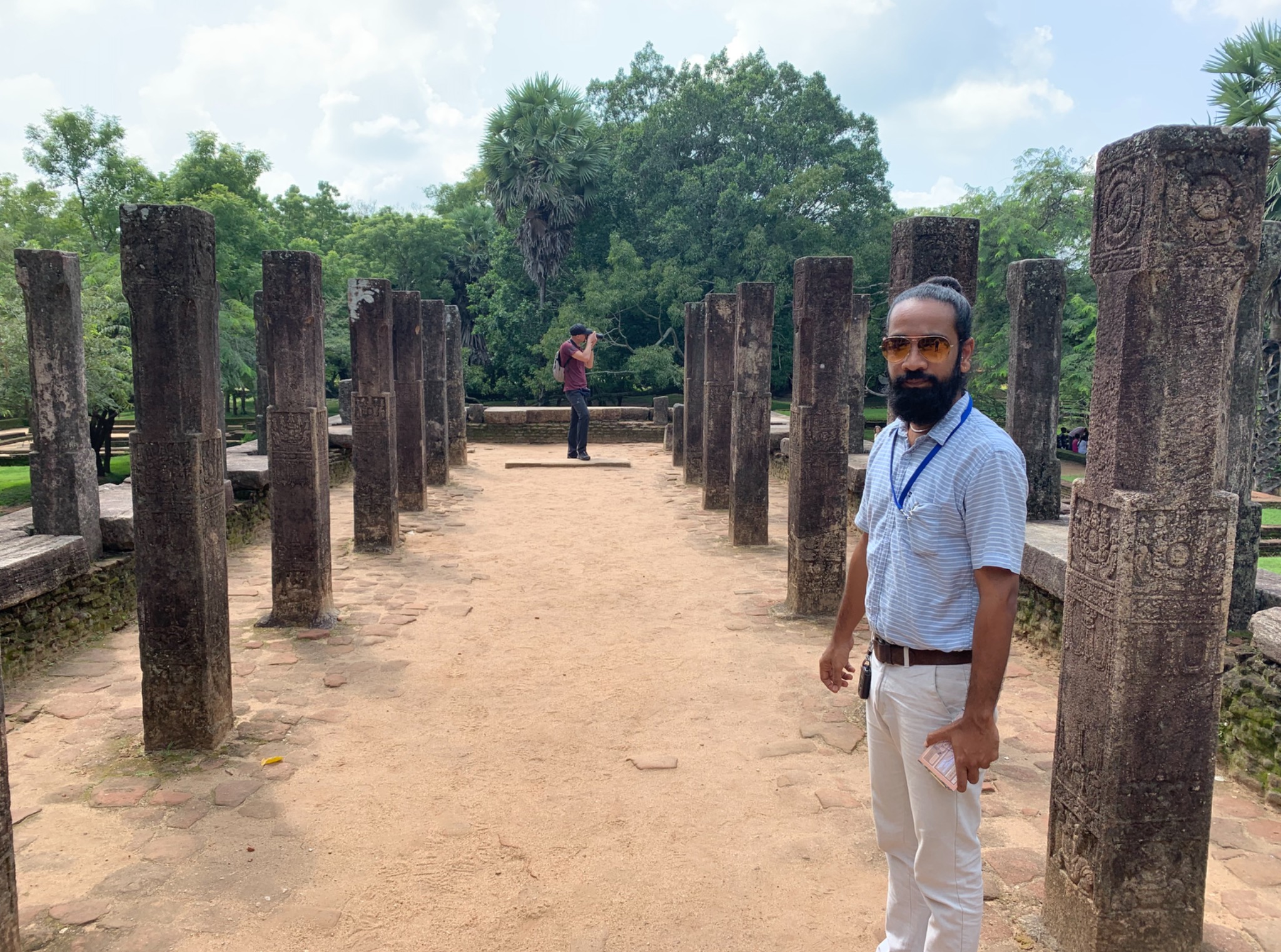
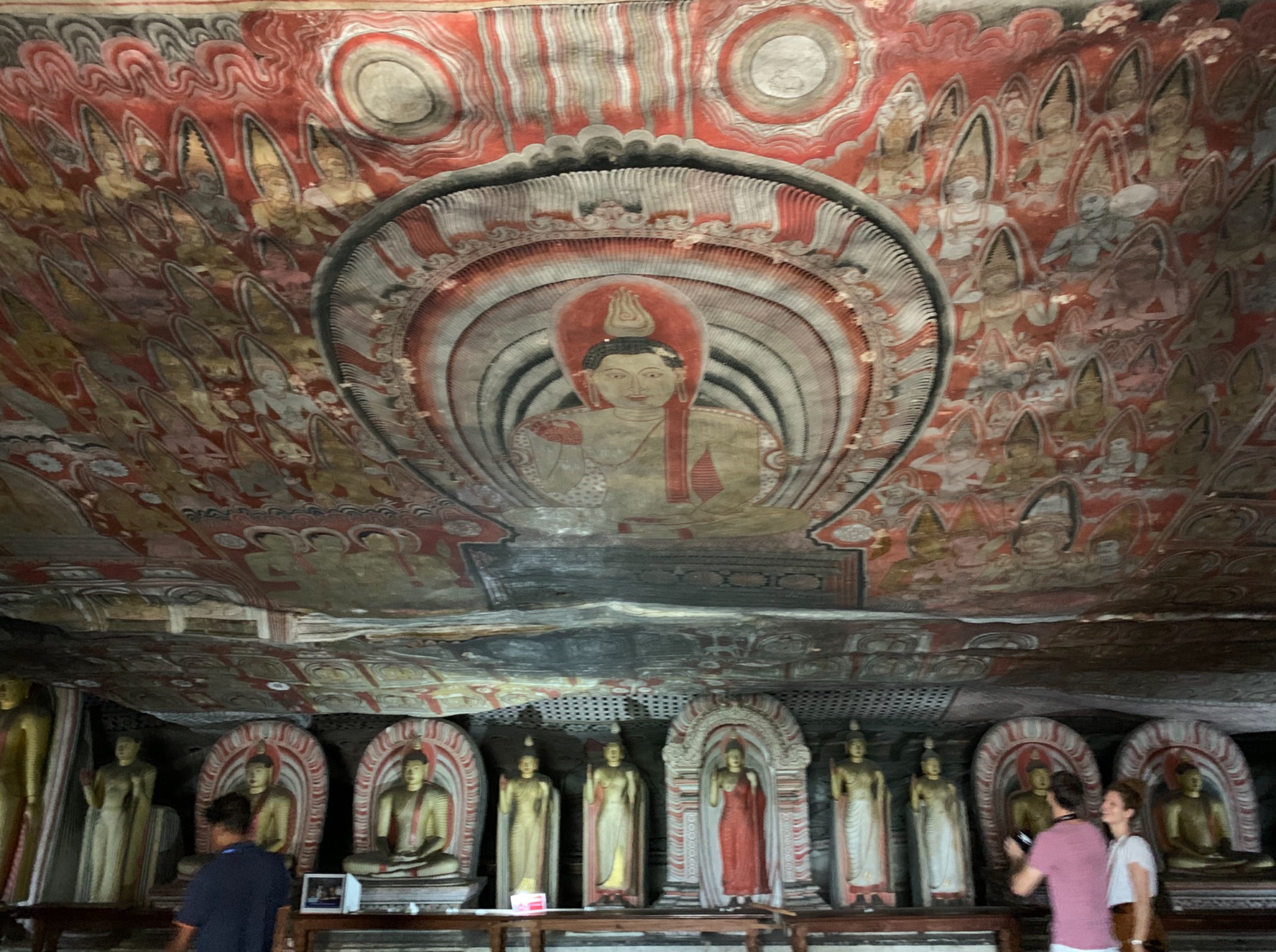
Rangiri Dambulla Cave Temple
Dambulla adds a different scale to the cultural cluster: a cave-temple complex with a steep approach and a hilltop setting. Build it into a day that does not already include a demanding Sigiriya climb, especially when travelling with young children or anyone who prefers a gentler pace.
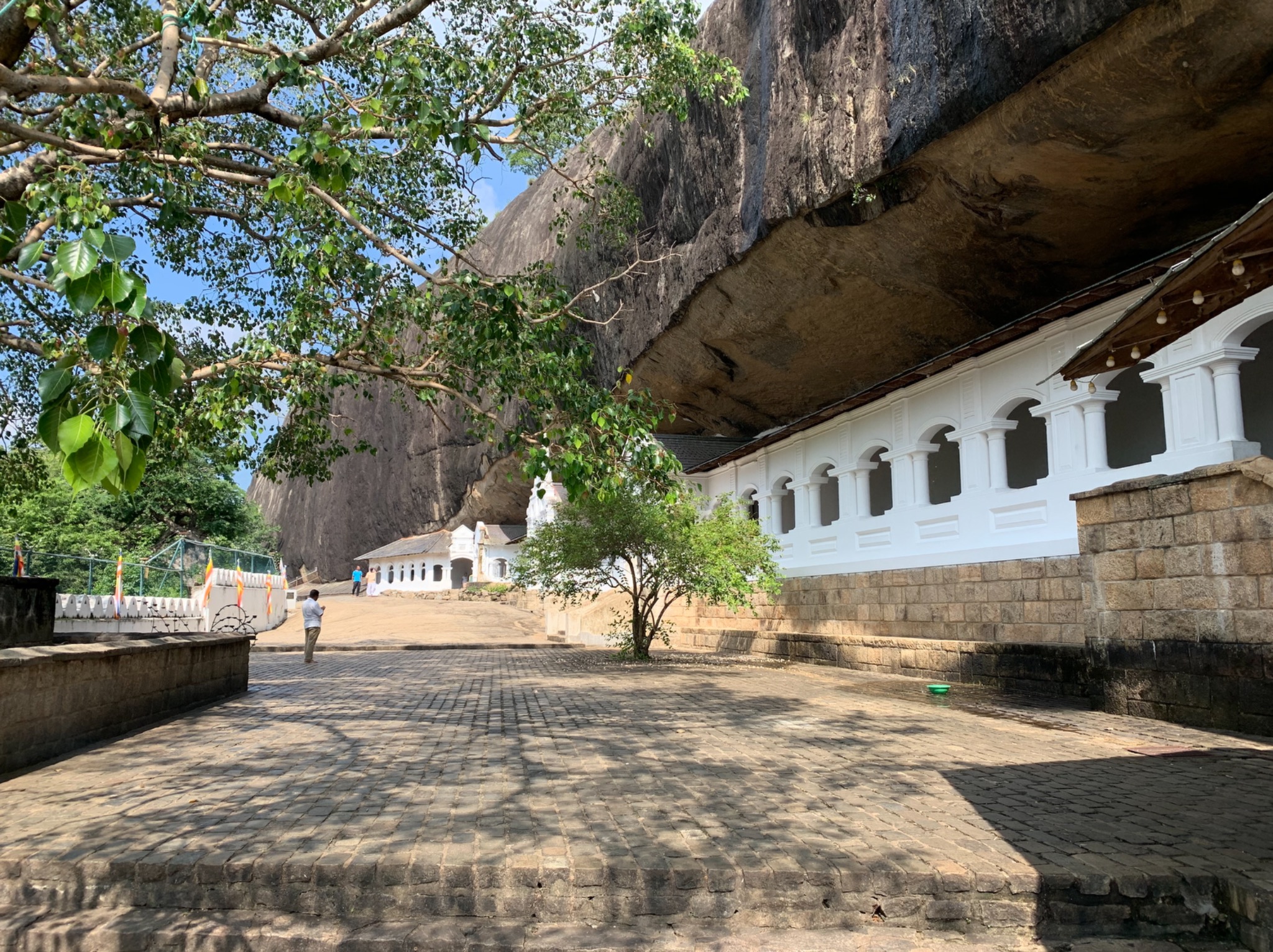
Kandy: A Sacred City in the Hills
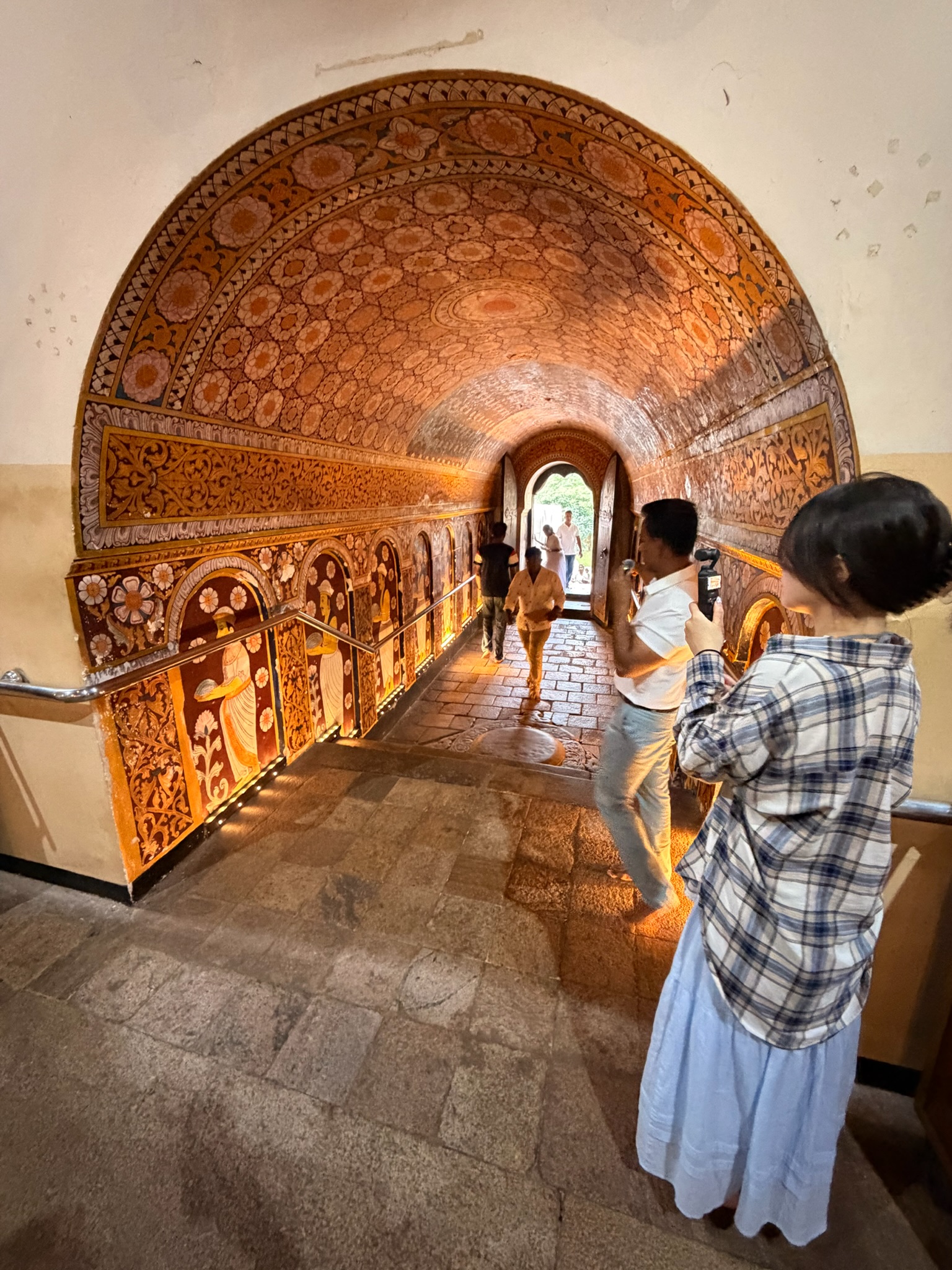
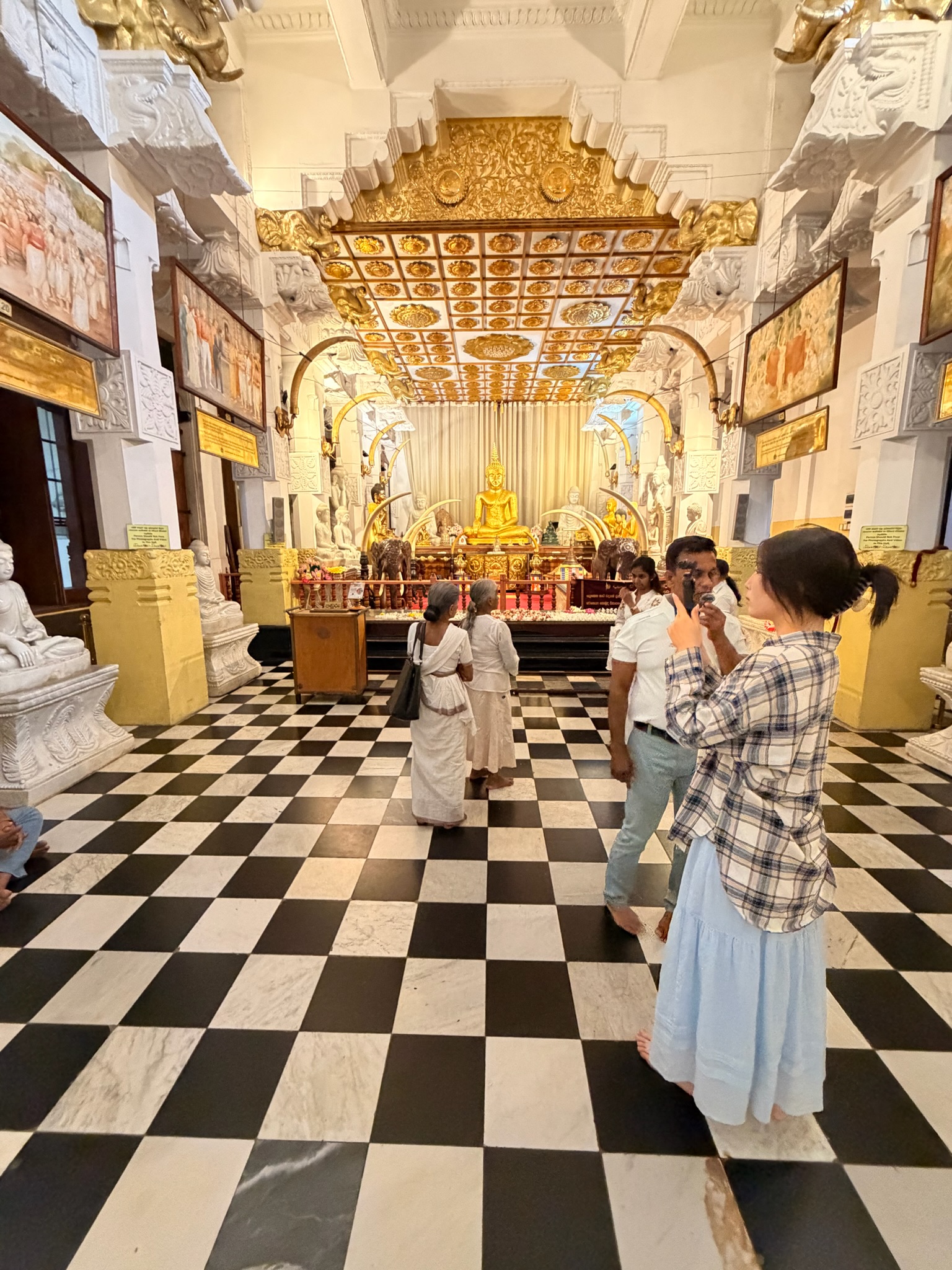
The Sacred City of Kandy is a natural link between the Cultural Triangle and the central highlands. It offers a more urban heritage setting, centered around the Temple of the Sacred Tooth Relic and the lake-side historic core. Overnighting in Kandy makes it easier to avoid trying to combine a long road transfer with a major visit on the same afternoon.
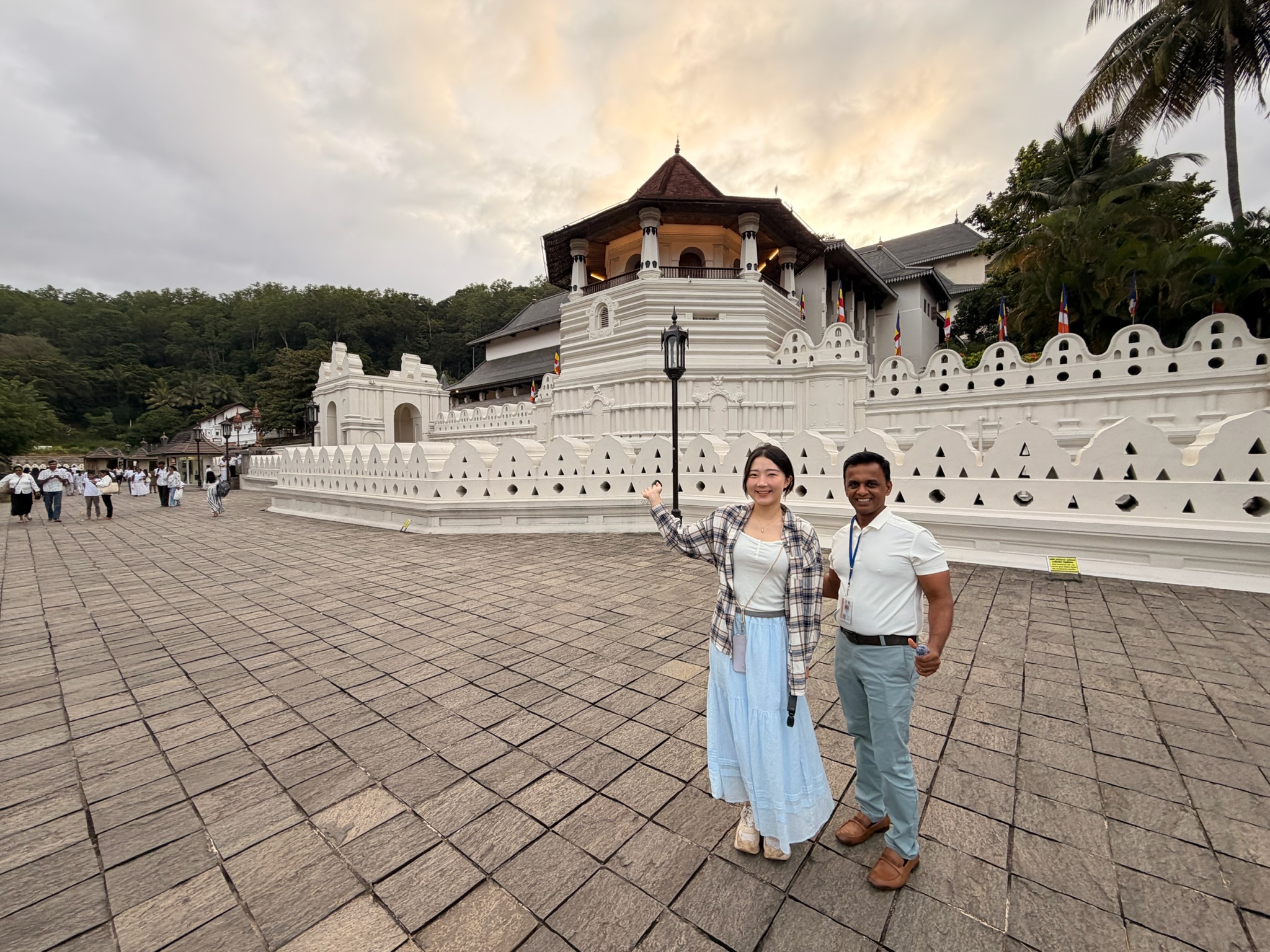
Galle: A World Heritage Stop on the South Coast
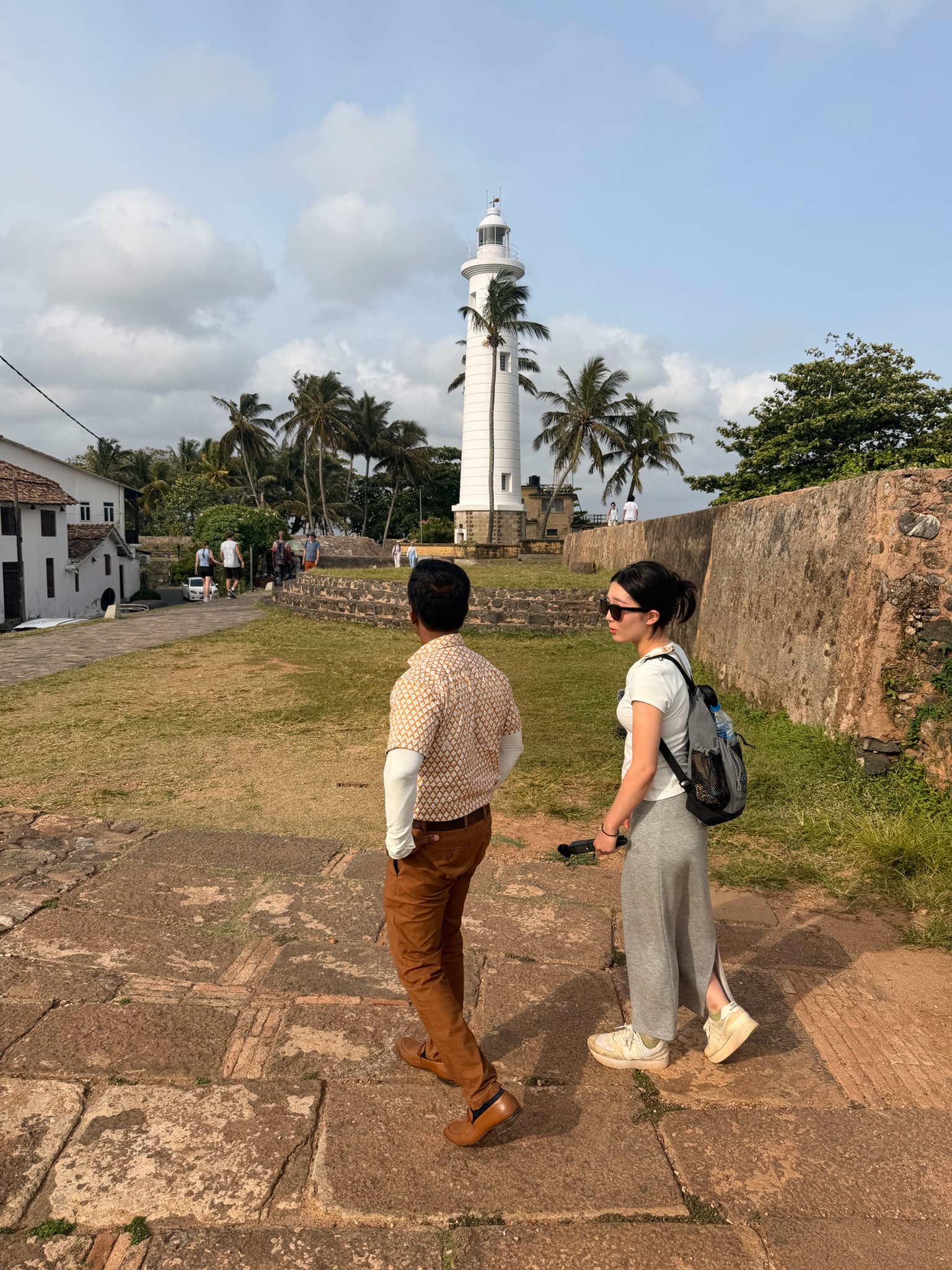
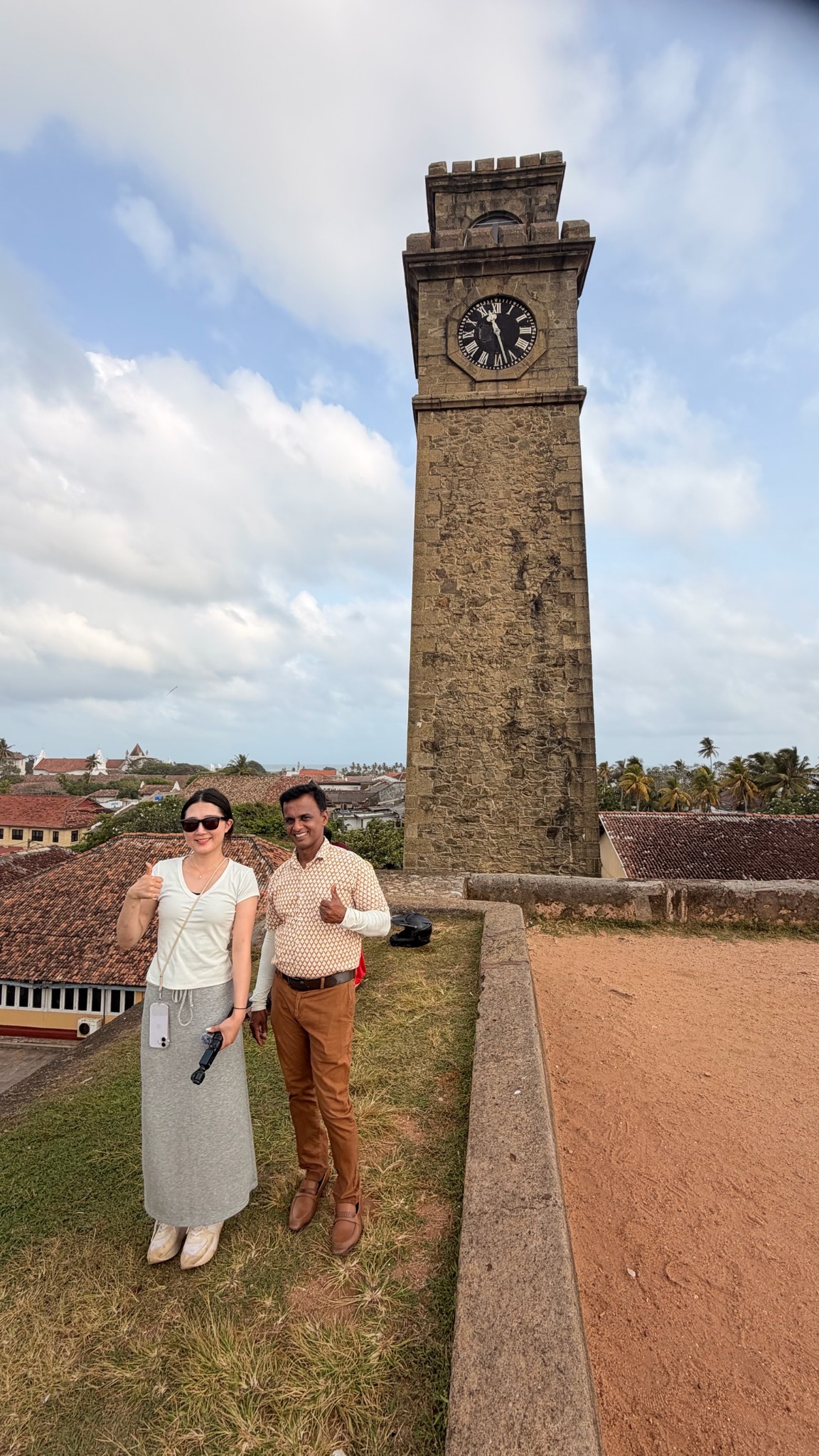
The Old Town of Galle and its Fortifications has a completely different rhythm from the ancient inland cities. The walls, streets and sea-facing edges are best appreciated on foot, with time for a slow walk rather than a short photo stop. It works particularly well as an overnight or late-afternoon stop when your itinerary already includes the south coast.
Two Natural World Heritage Properties
Sri Lanka's World Heritage list also includes two natural properties. They should be planned as nature experiences, with consideration for weather, trail conditions and the relevant access guidance, rather than added hurriedly between cultural sites.
Central Highlands of Sri Lanka
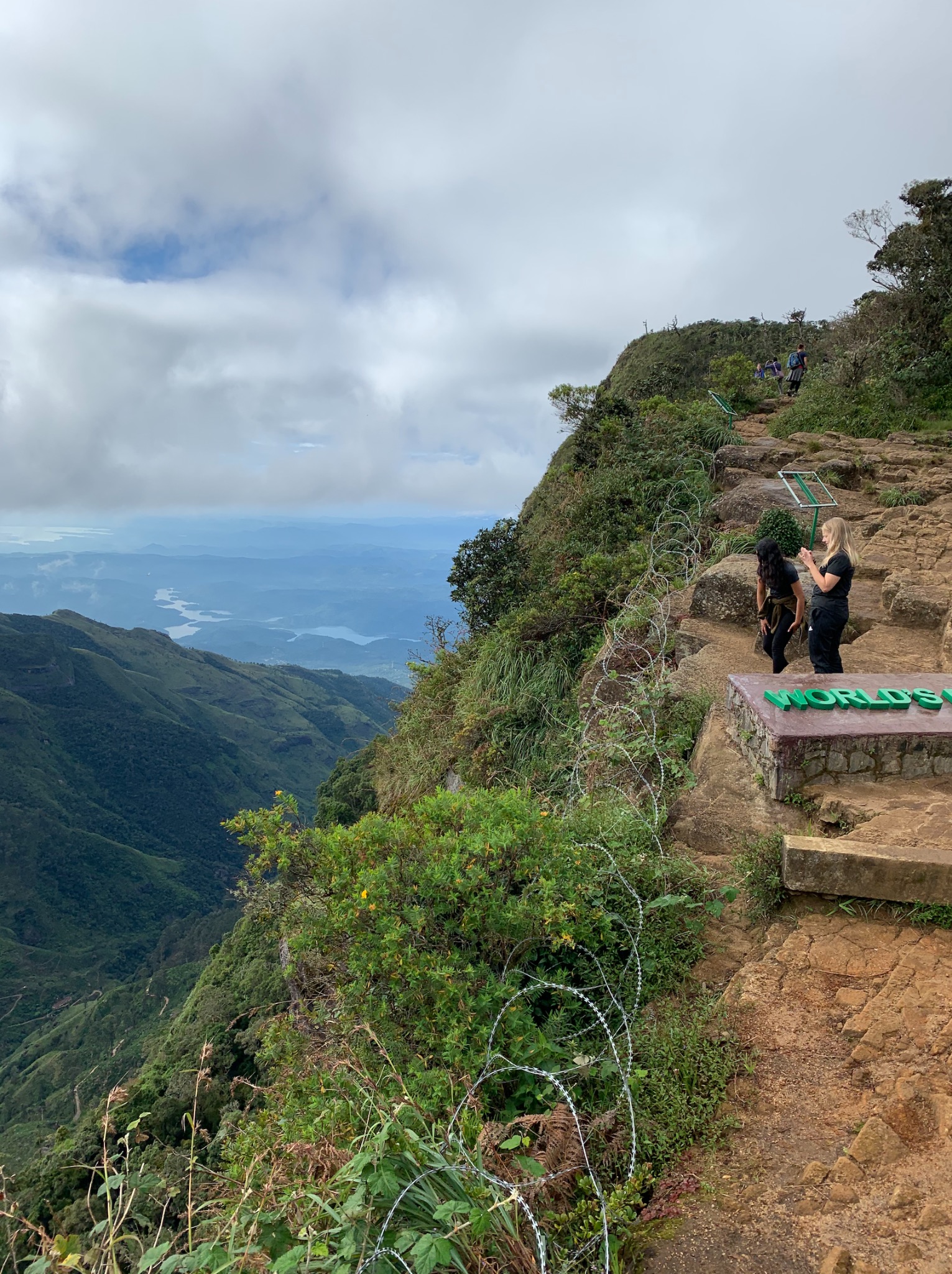
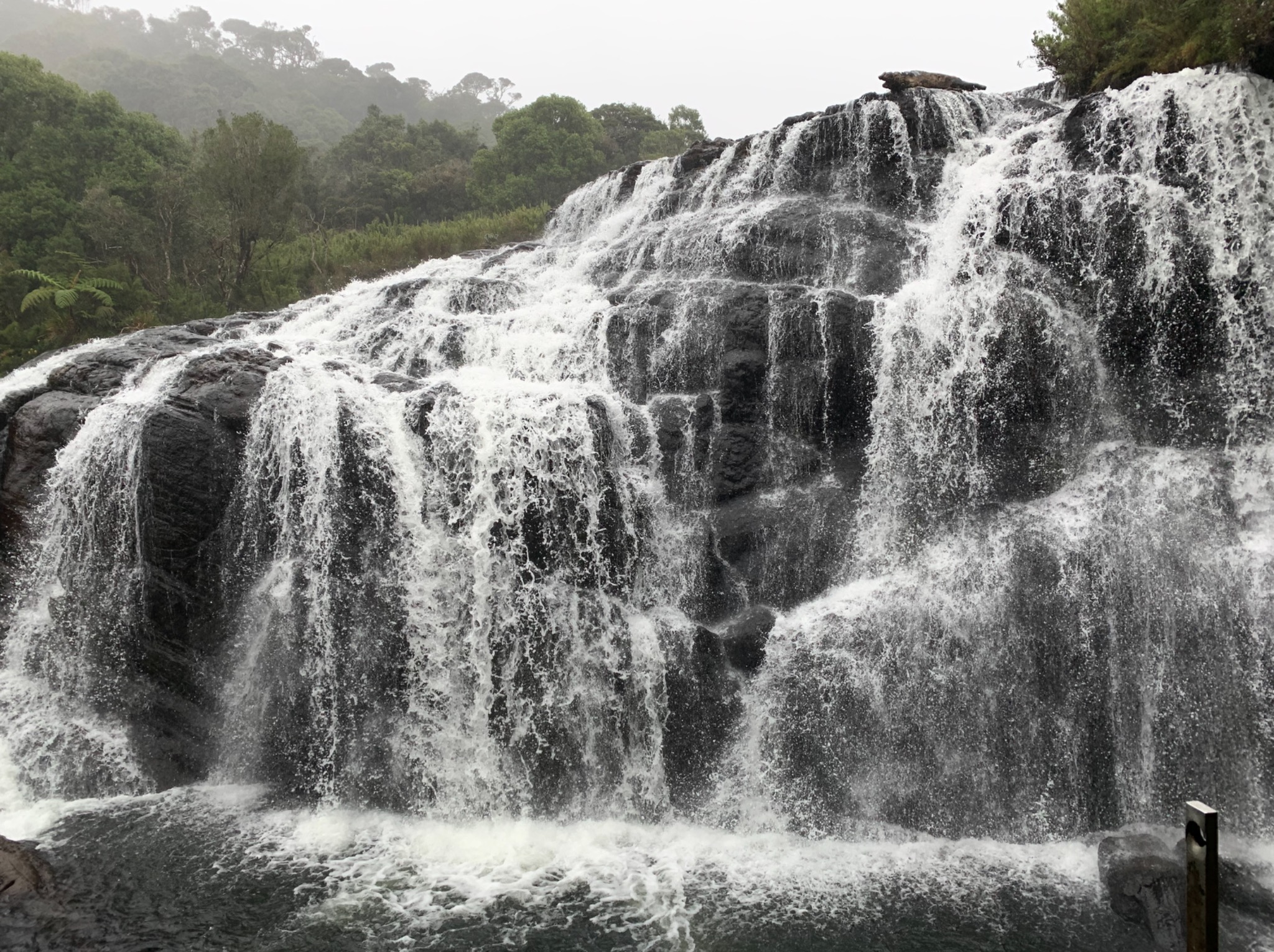
UNESCO's Central Highlands property comprises Peak Wilderness Protected Area, Horton Plains National Park and Knuckles Conservation Forest. The mountain forests sit in the south-central part of the island and are recognised for their remarkable flora and fauna. Horton Plains is a particularly accessible starting point for travellers already staying in Nuwara Eliya or Ella, but an early departure is essential for the best conditions.
Sinharaja Forest Reserve
Sinharaja Forest Reserve in the south-west is Sri Lanka's last viable area of primary tropical rainforest, according to UNESCO. Its value lies in the rainforest ecosystem and the richness of endemic plants and wildlife. Choose a local nature guide, stay on approved paths and allow a separate day or overnight rather than treating it as a quick detour from Galle.
A Realistic World Heritage Itinerary
A private-driver trip does not need to cover all eight sites to be meaningful. The following combinations are usually more enjoyable than a rush to tick off every property.
| Trip Length | Suggested Heritage Focus | Route Logic |
|---|---|---|
| 4–5 days | Sigiriya, Dambulla, Polonnaruwa, Kandy | Concentrate on the Cultural Triangle, then continue south-east to Kandy. |
| 6–8 days | Culture plus Hill Country | Add Anuradhapura and a Central Highlands experience after Kandy. |
| 10–14 days | Culture, Highlands and South | Build in Galle and Sinharaja with rest days between longer drives. |
The exact order depends on your arrival airport, hotel choices, weather and priorities. A good itinerary protects time at the sites themselves; it does not only minimise kilometres on a map.
Practical Tips for Heritage Visits
Dress respectfully at religious sites, carry water and a hat for exposed ruins, and keep shoulders and knees covered where required. Footwear rules vary at temples, so choose shoes that are easy to remove. For nature properties, follow trail and guide instructions closely, keep noise low and never feed wildlife.
Heritage attractions can have changing opening times, ticket procedures and local access restrictions. Confirm the details with the property, your hotel or a local operator shortly before travel, particularly around public holidays and adverse weather.