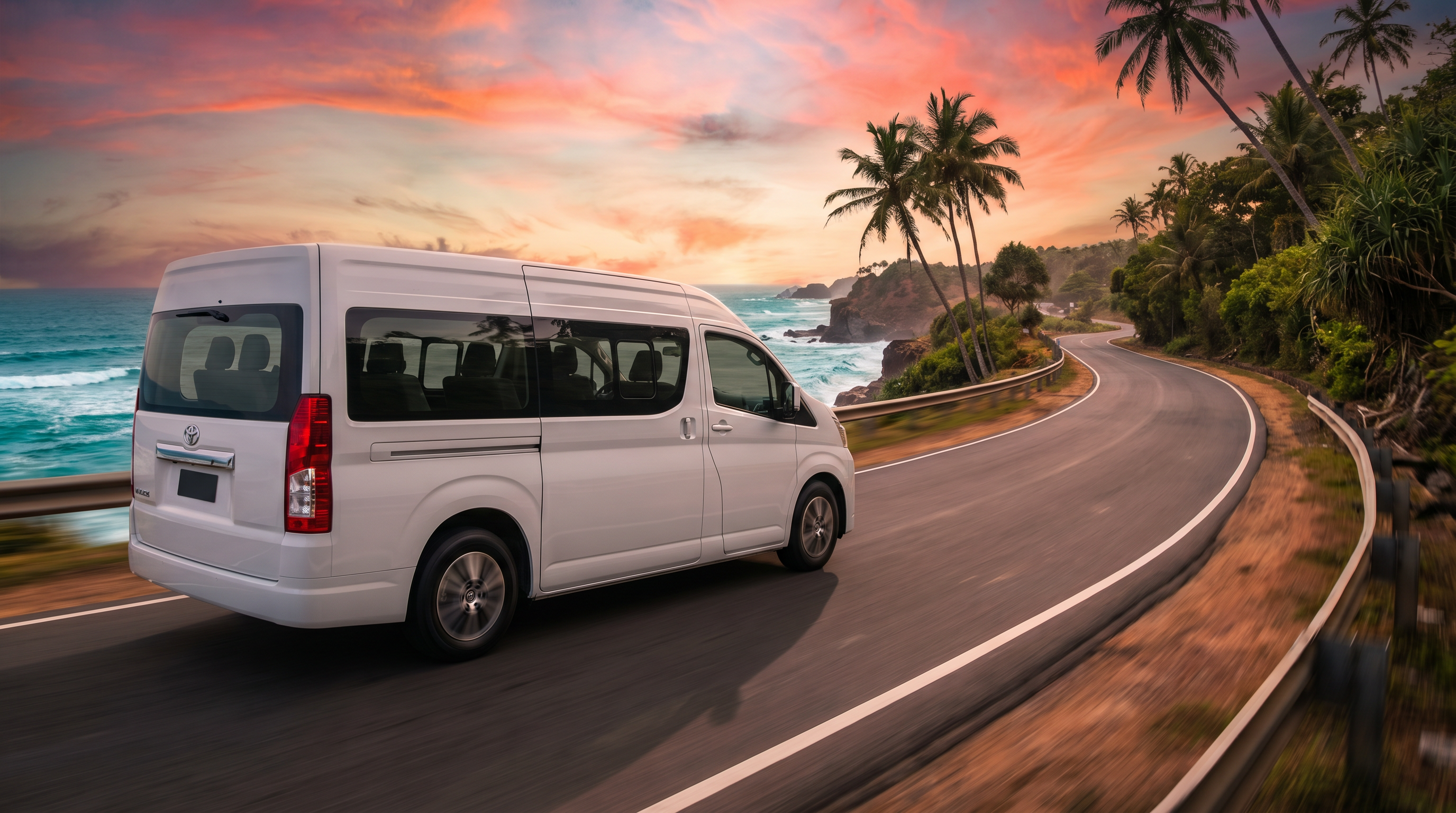
Sri Lanka is compact on a map, but travelling between its coast, ancient cities, hill country and wildlife parks is not always simple. Roads can be scenic and slow, train routes are selective, and the best choice changes depending on your luggage, hotel pattern, group size and how much you want to stop along the way. The practical question is not simply “which transport is cheapest?” but “which option lets your holiday run as planned?”
Use public transport or a tuk-tuk for selected experiences, but use a taxi charter with a private driver as the transport backbone when you are moving between regions. It is the most realistic way to combine different hotels, luggage, sights and flexible timing without turning every transfer day into a logistics task.
Six Ways to Travel Around Sri Lanka Compared
| Option | Best for | Strength | Planning limitation |
|---|---|---|---|
| Bus | Short, simple routes and a local experience | Wide network and regular public services | Less control over comfort, luggage and sight stops |
| Train | Scenic routes, especially the Hill Country | Memorable journey and distinctive views | Station-to-hotel transfers and route coverage still need planning |
| Tuk-tuk | Short local hops | Convenient for town-to-town errands and spontaneous rides | Not designed for intercity distances or large luggage |
| Rental car | Confident self-drive travellers | Full control over stops and daily timing | Requires comfort with unfamiliar roads, traffic and current driving requirements |
| Domestic flight | Selected routes where a scheduled service fits exactly | Can reduce a long road segment on limited itineraries | Route network, schedules and weather need confirmation |
| Taxi charter | Multi-stop independent trips | Door-to-door transport, luggage handling and flexible stops | Needs advance planning with a reliable service |
Bus: Useful for Simple Routes, Less Ideal for a Multi-Stop Holiday
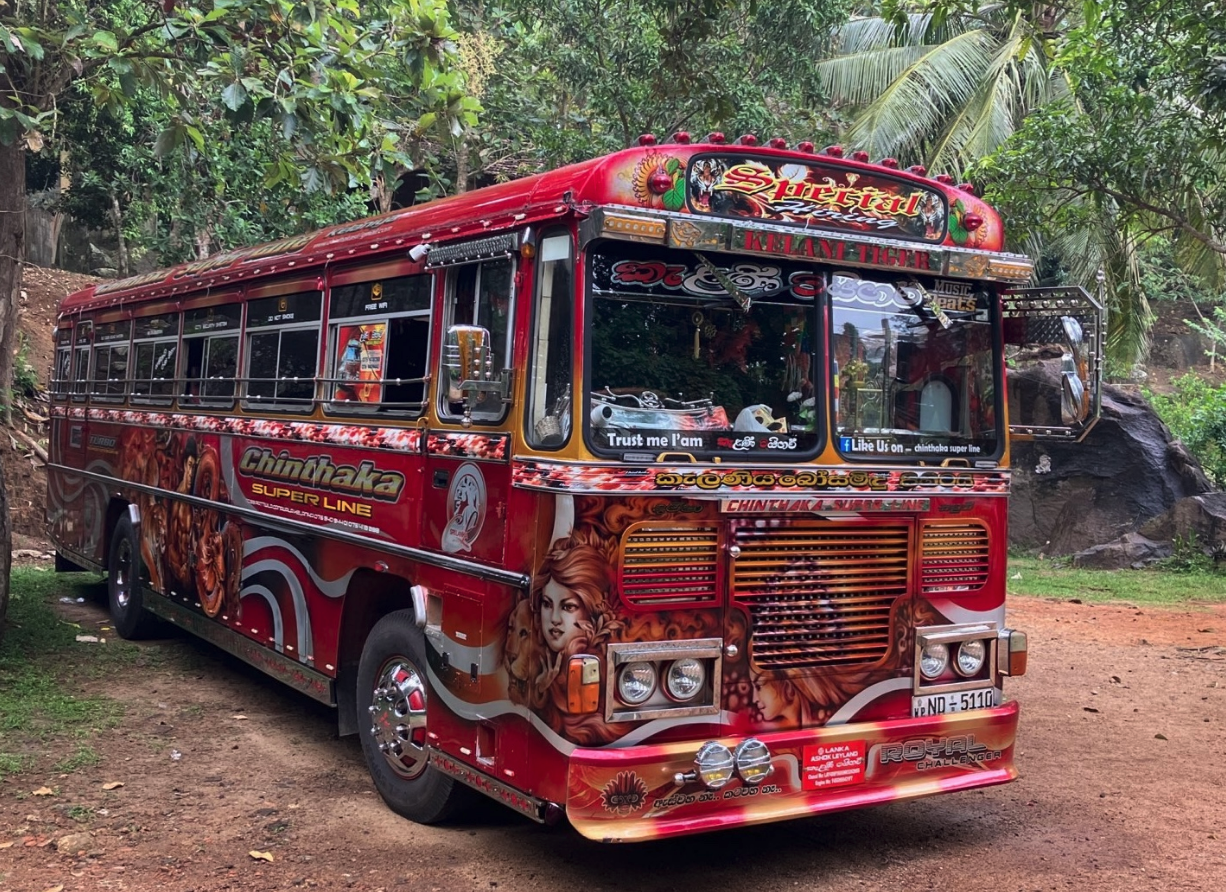
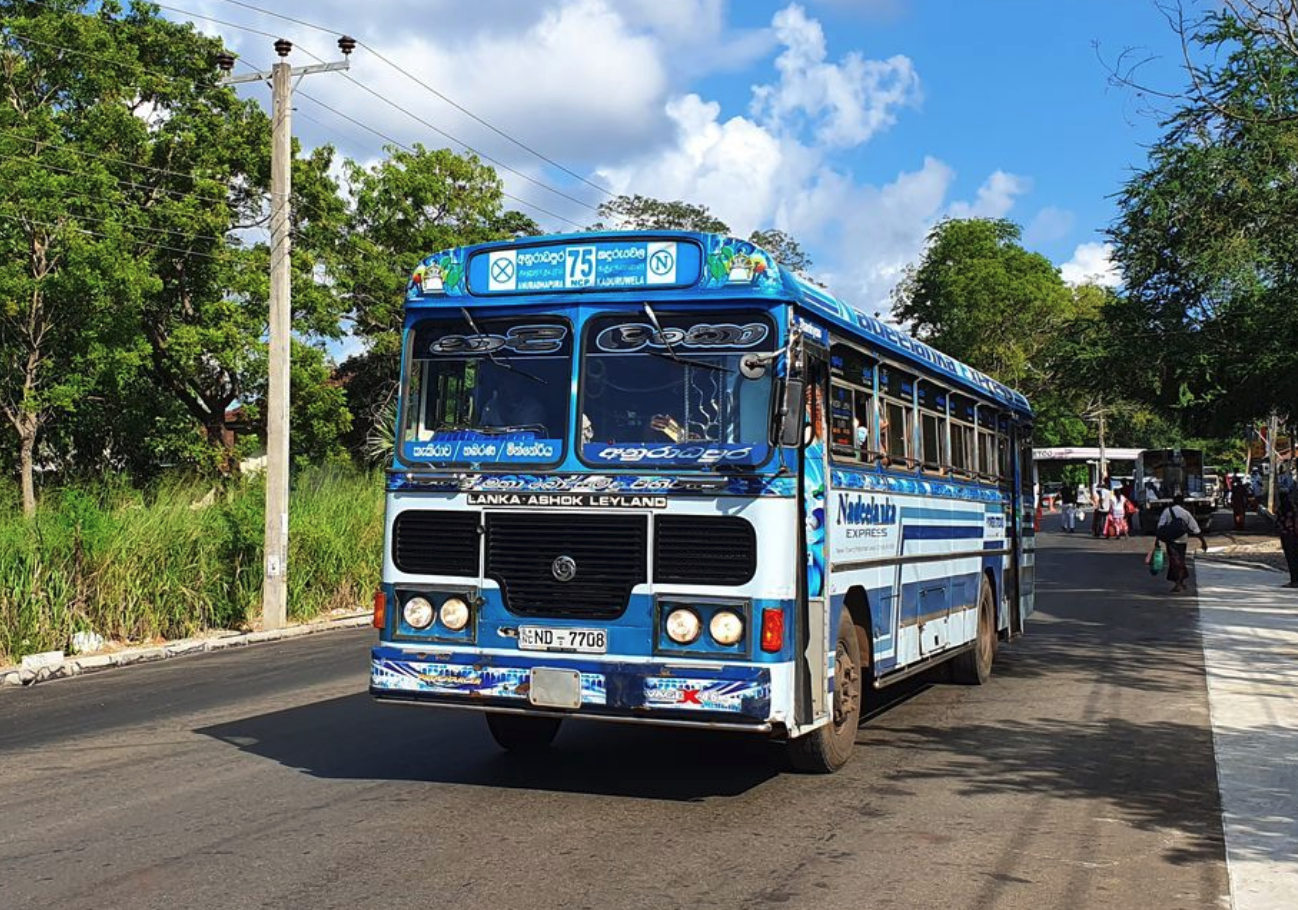
Public buses are an important part of daily life in Sri Lanka and can be a rewarding option when your journey is straightforward. The Sri Lanka Transport Board provides an official online booking route for selected regular services, with route selection, seat selection and emailed e-tickets. This makes buses worth considering for travellers who are comfortable adapting their day around the service.
The trade-off is control. A bus is rarely the easiest choice when you are checking out of one hotel, carrying larger bags, hoping to stop for a viewpoint or temple, and needing to arrive at another hotel before dinner. For that style of trip, the apparent saving can be outweighed by extra transfers and lost time.
Train: Choose It for the Journey, Not as the Only Transport Plan
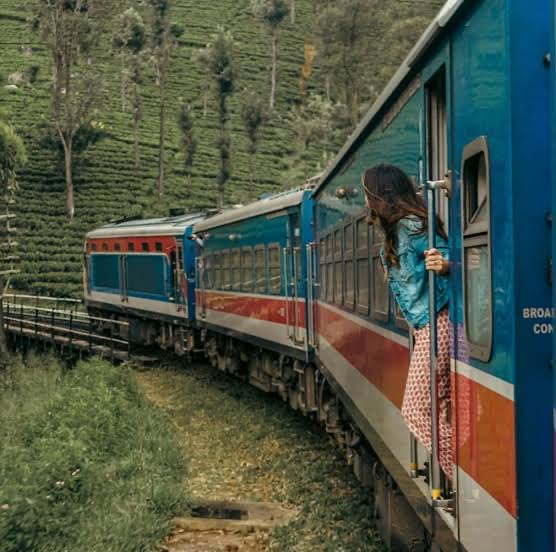
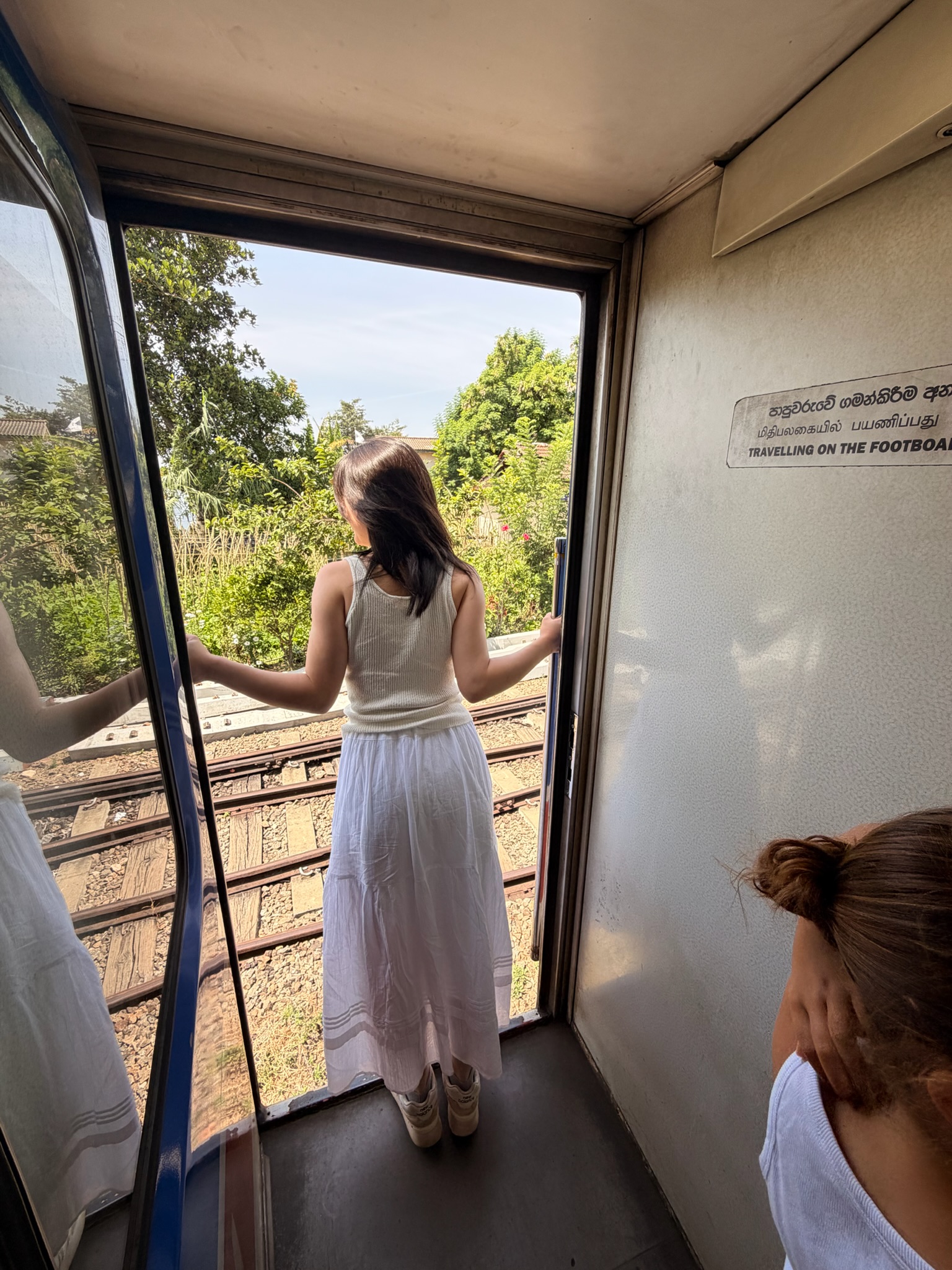
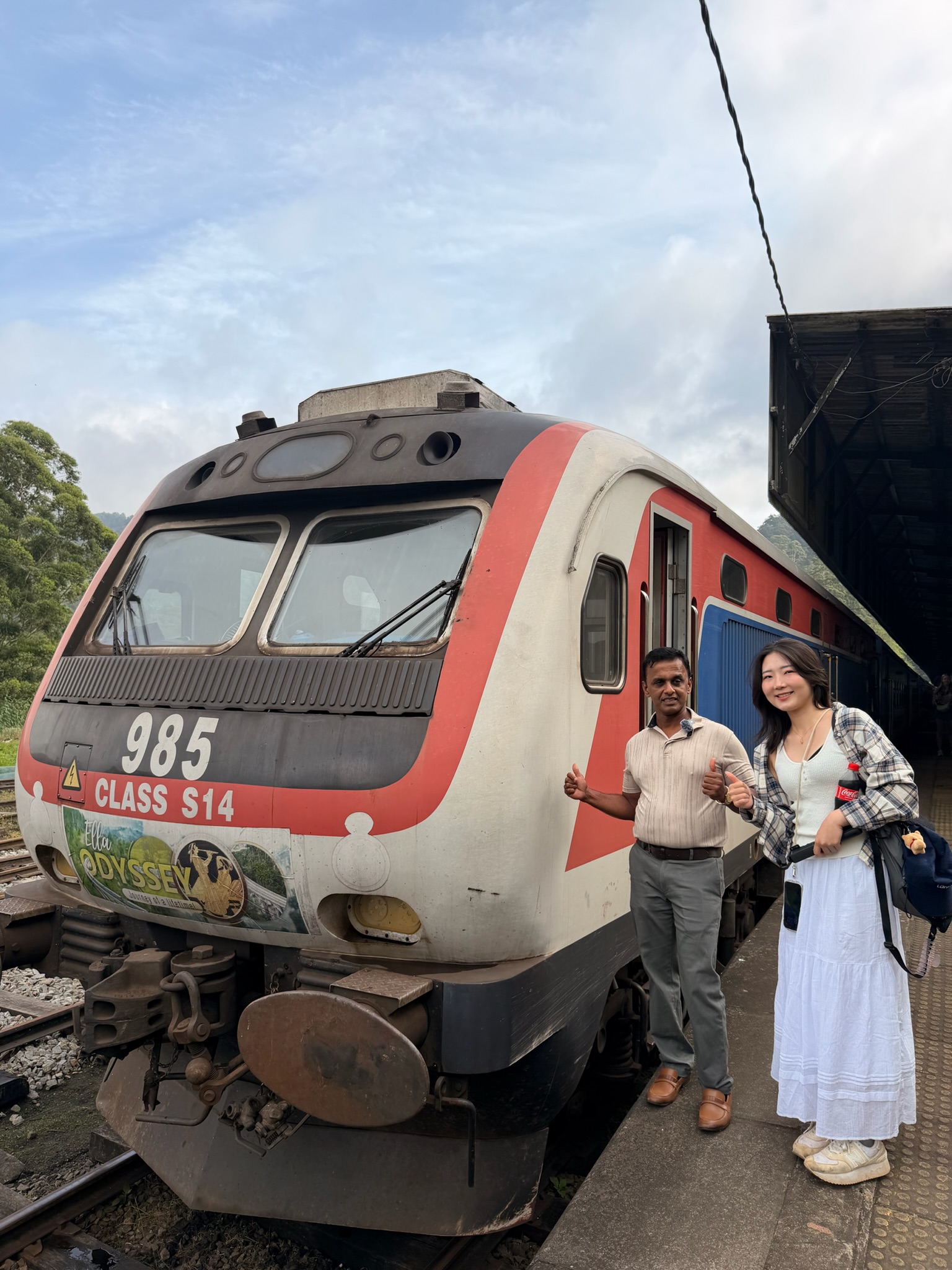
Train travel is one of Sri Lanka’s great experiences, particularly the route through the highlands. Sri Lanka Railways operates advance reservations for selected services, including the Colombo–Kandy and Colombo–Badulla corridors, and a reserved ticket is specific to its train. Build extra time around the station, your seat reservation and the transfer at each end.
The best example is the hill-country rail experience. Our Sri Lanka Tea Train & Nine Arch Bridge guide explains how to choose a segment, plan the arrival and combine it with Ella. For most independent visitors, the ideal solution is not “train or driver”; it is a private driver for the road sections, with the tea train kept as a carefully planned highlight.
Tuk-Tuks: Perfect for a Short Ride, Not a National Itinerary
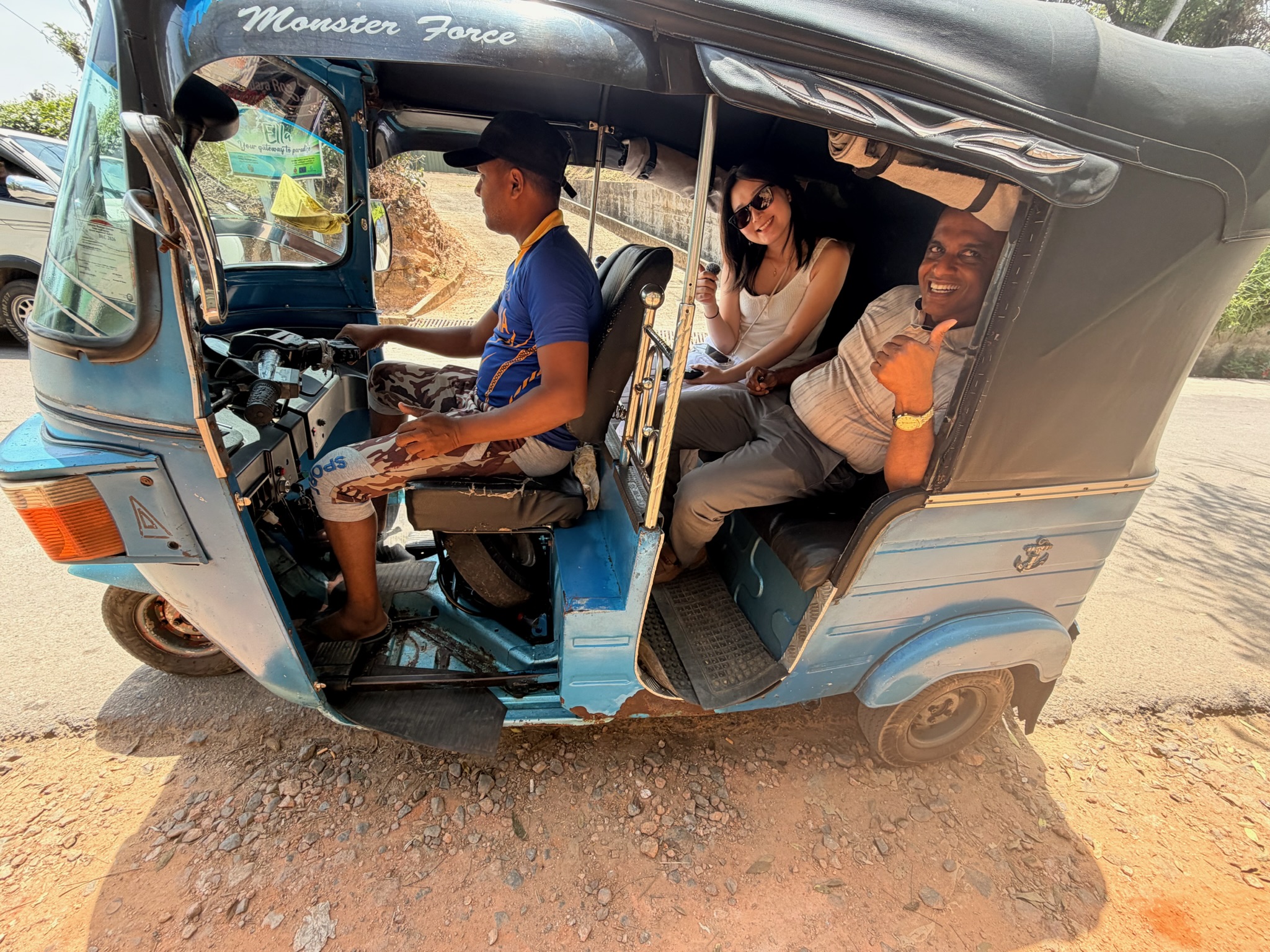
A tuk-tuk is part of the Sri Lankan travel experience and works well for short rides around a town, beach area or restaurant district. Agree the route and fare before departure, keep valuables with you and use it where the journey itself is simple. It is not a realistic substitute for an intercity transfer when you have suitcases, multiple passengers, young children or a long day ahead.
Rental Car: Flexible on Paper, Demanding in Practice
Renting a car gives experienced drivers autonomy, but it also gives them responsibility for navigation, parking, road conditions and the practical details of every sightseeing day. Before deciding, check current licence, insurance and rental requirements directly with the provider, then consider whether you want to be driving after a flight, a long cultural visit or an early wildlife safari.
Domestic Flights: A Niche Option for the Right Schedule
Domestic air services can be useful where the route, departure time and weather align with your itinerary. They are best treated as a selective shortcut rather than the default way to tour the island. Transfers to and from airfields still need arranging, and a road journey may be the more practical choice if you want to make stops or travel directly between hotels.
Why a Taxi Charter Is the Most Practical Base for Independent Travel
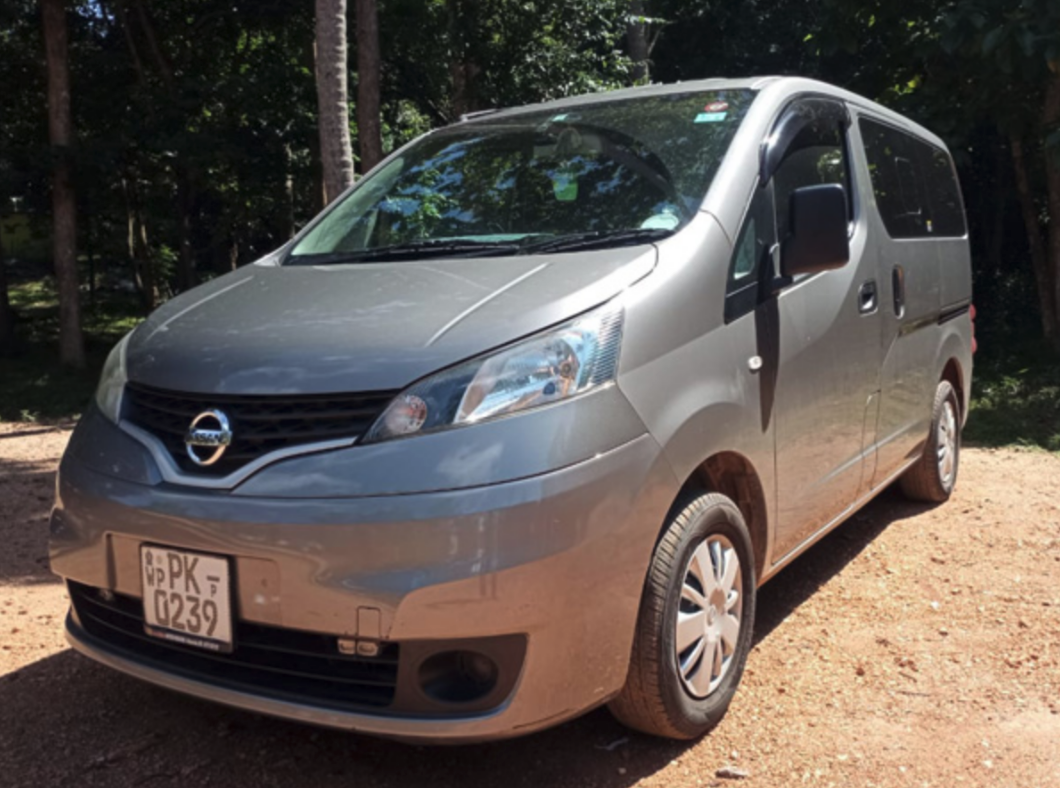
A taxi charter is particularly useful when your route includes more than one region: for example, Colombo Airport to Sigiriya, Kandy, the Hill Country, Yala and the south coast. Your transport waits while you visit a site, luggage stays with the vehicle between hotels, and you can make worthwhile stops without arranging a new ride each time.

Travel with More Context: Guide-Qualified Drivers
Not every taxi charter is the same. Some private-charter services can assign a Tourist Chauffeur Guide Driver who holds relevant guide qualifications, subject to availability. Alongside safe, practical driving, this can add useful context about history, religious etiquette, regional landscapes and local food — helping you enjoy Sri Lanka at a deeper level rather than simply moving between attractions.
This does not mean you should avoid trains or local rides. It means using each mode where it makes sense: a private charter for the complicated road sections, the tea train for the view, and a tuk-tuk when you only need a short local trip. That mix gives independent travellers freedom without unnecessary transfer friction.